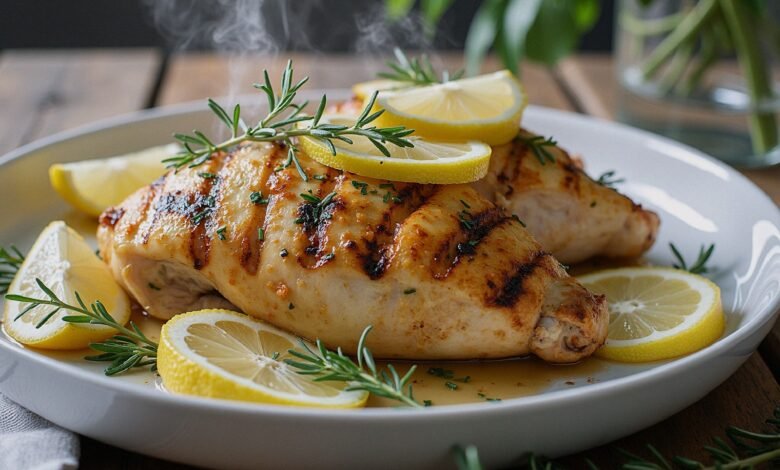
The Complete Grilled Lemon Herb Chicken Guide: Perfect Every Time
Your grilled lemon herb chicken deserves better than dried-out meat. This guide gives you restaurant-quality results at home with simple ingredients you already have.
Table of Contents
How Long Should You Marinate Lemon Herb Chicken?
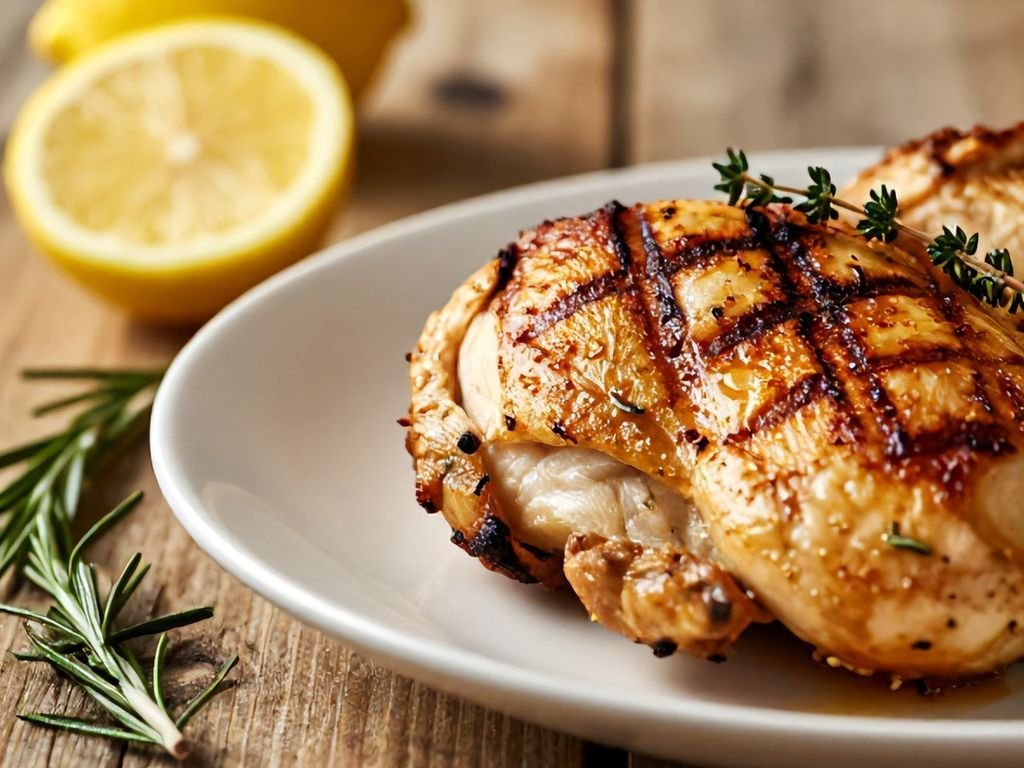
30 minutes to 2 hours is your sweet spot. Here’s why this matters: lemon juice is acidic, and while that adds amazing tang, it also breaks down chicken fibers. Too long in the marinade causes mushy texture.
Meanwhile, the ideal timing lets the herbs and garlic penetrate without turning your chicken into mush. According to Eat Yourself Skinny, marinating longer than 2 hours with lemon-heavy marinades compromises the meat’s texture.
Timing by Marinade Type
Different recipes have different acid levels. If you’re using mostly lemon zest with minimal juice, you can push to 3-4 hours. However, recipes heavy on lemon juice require shorter times.
For meal prep, mix your marinade the night before but don’t add the lemon juice until 2 hours before cooking. This trick lets herbs infuse overnight without breaking down protein structure.
What’s Better for Grilling: Chicken Breasts or Thighs?
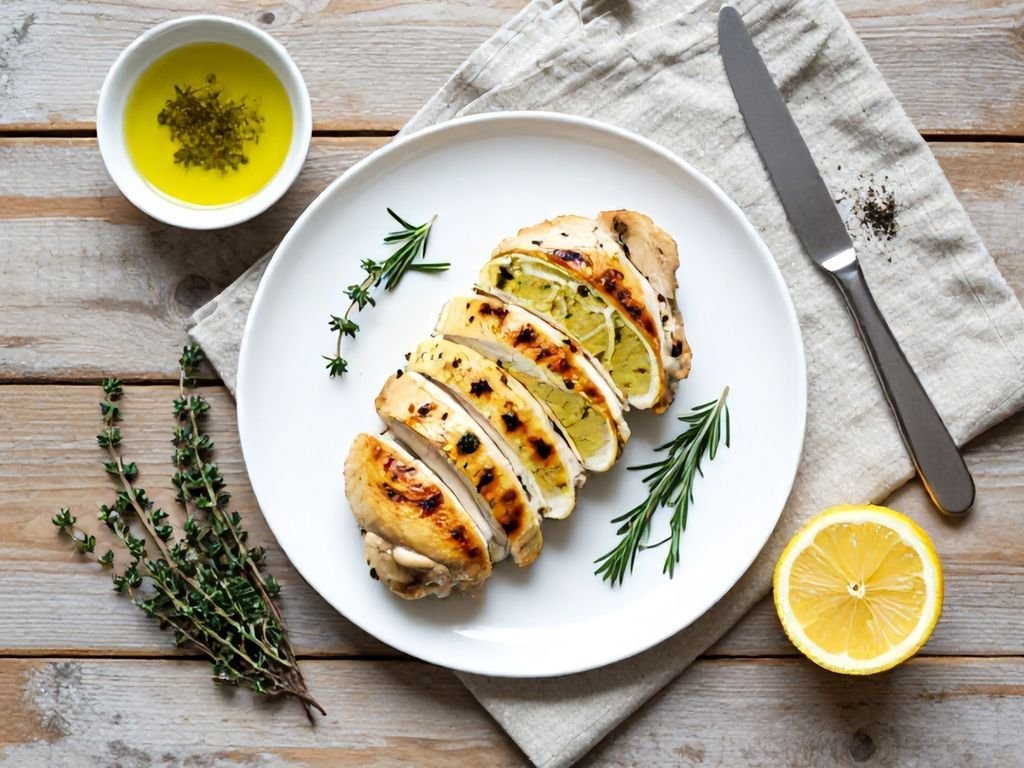
Chicken thighs win on flavor and forgiveness, but breasts work if you’re careful. Both cuts work beautifully with lemon herb marinades, yet they behave differently on the grill.
Thighs pack more fat, which means richer taste and juicier results. They’re nearly impossible to dry out. Plus, Chowhound notes that thighs can handle internal temps up to 185°F while staying tender.
On the other hand, breasts offer lean protein with fewer calories. They cook faster but demand more attention. If you overcook them by even 5 degrees, you’re chewing cardboard.
| Cut | Fat Content | Calories (per 100g) | Best For | Forgiveness |
|---|---|---|---|---|
| Breasts | Lower | 165 | Quick weeknight meals, salads | Low – dry out easily |
| Thighs | Higher | 179 | BBQs, meal prep, rich flavors | High – stay juicy |
What Temperature Should Grilled Chicken Reach?
165°F is the USDA safety standard, but smart cooks pull chicken earlier. Food safety requires chicken to hit 165°F internally, yet there’s more to this story than one number.
For chicken breasts, pulling them at 155-160°F and letting them rest works better. ThermoWorks explains that carryover cooking raises the temp 5-7 degrees during rest time. This method keeps breasts juicy instead of dried out.
However, thighs need higher temps for best texture. They taste better at 175-185°F because the extra heat breaks down connective tissue. According to Napoleon Grills, this higher temp turns dark meat tender and succulent.
Key Features to Remember
Always use a meat thermometer. Insert it into the thickest part without touching bone. Temperature, not time, tells you when chicken is done.
Rest your chicken for 5 minutes. Cutting immediately releases all those flavorful juices onto your cutting board instead of staying in the meat.
What Are the Best Herbs for Lemon Chicken?
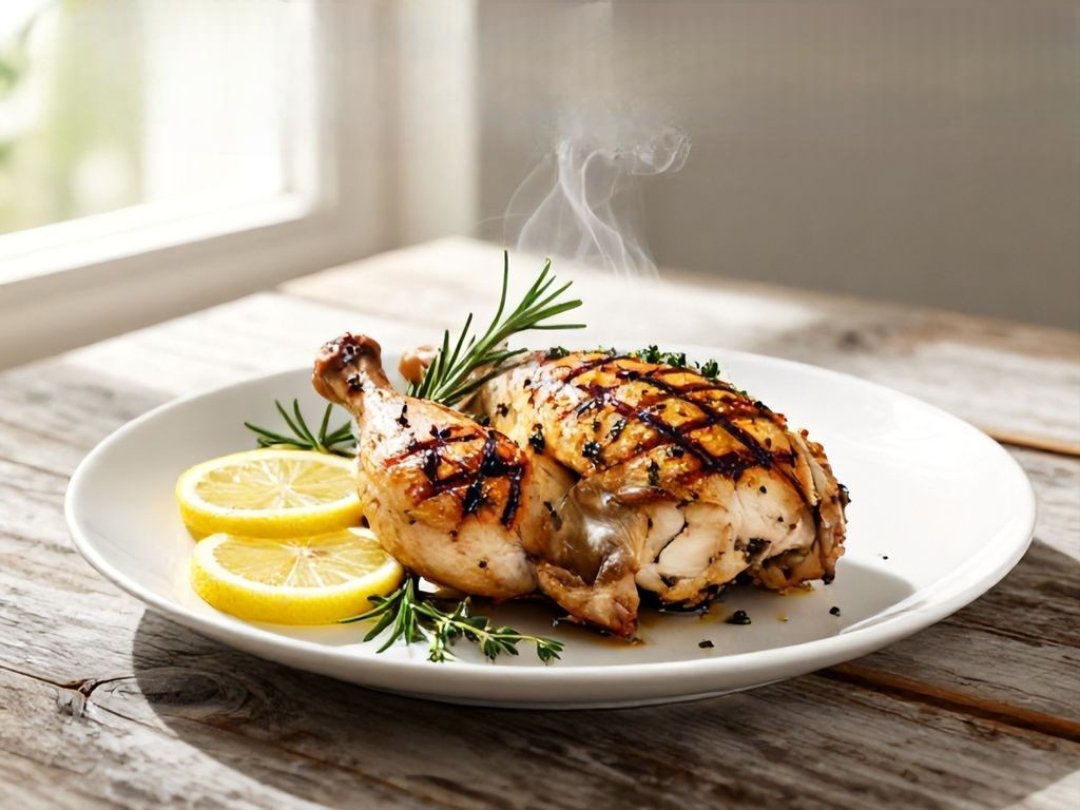
Oregano, thyme, and rosemary create the classic Mediterranean flavor. These hardy herbs stand up to grilling heat without burning or turning bitter.
Fresh herbs deliver stronger flavor than dried ones, yet dried herbs work great when fresh isn’t available. The Whole Cook suggests using dried herbs for this marinade because they pack more concentrated flavor.
The combination of lemon and herbs brightens chicken’s mild taste. Oregano adds earthy notes, thyme brings subtle mint undertones, and rosemary contributes pine-like aromatics.
How Do You Keep Chicken from Sticking to the Grill?
Clean, hot grates with oil prevent most sticking problems. This simple step makes the difference between frustrated flipping and easy grilling.
First, preheat your grill for 10-15 minutes. Hot grates sear chicken quickly, creating a crust that releases naturally. Cold grates cause meat to stick.
Next, clean the grates with a wire brush while they’re hot. Food residue from previous cooks acts like glue.
Third, oil the grates just before adding chicken. Fold a paper towel, dip it in neutral oil, and rub it across the grates using tongs. According to Feasting at Home, this creates a non-stick surface.
Finally, don’t flip too early. If chicken sticks when you try to turn it, wait another minute. Properly seared meat releases on its own.
Can You Make This Chicken Without a Grill?
Yes, and it still tastes amazing. Three methods work when you can’t grill outdoors: grill pan, oven baking, or broiling.
A grill pan on your stovetop gives you those attractive grill marks. Heat it over medium-high, brush with oil, and cook chicken the same way you would outside.
Alternatively, bake at 400°F for 22-28 minutes. Eat Yourself Skinny confirms this method works perfectly when weather doesn’t cooperate.
Broiling delivers similar results to grilling. Place chicken on a broiler pan 6 inches from the heat source and cook 5-7 minutes per side.
All three methods need the same internal temperature check. Use your thermometer to confirm doneness.
The Perfect Lemon Herb Marinade Recipe
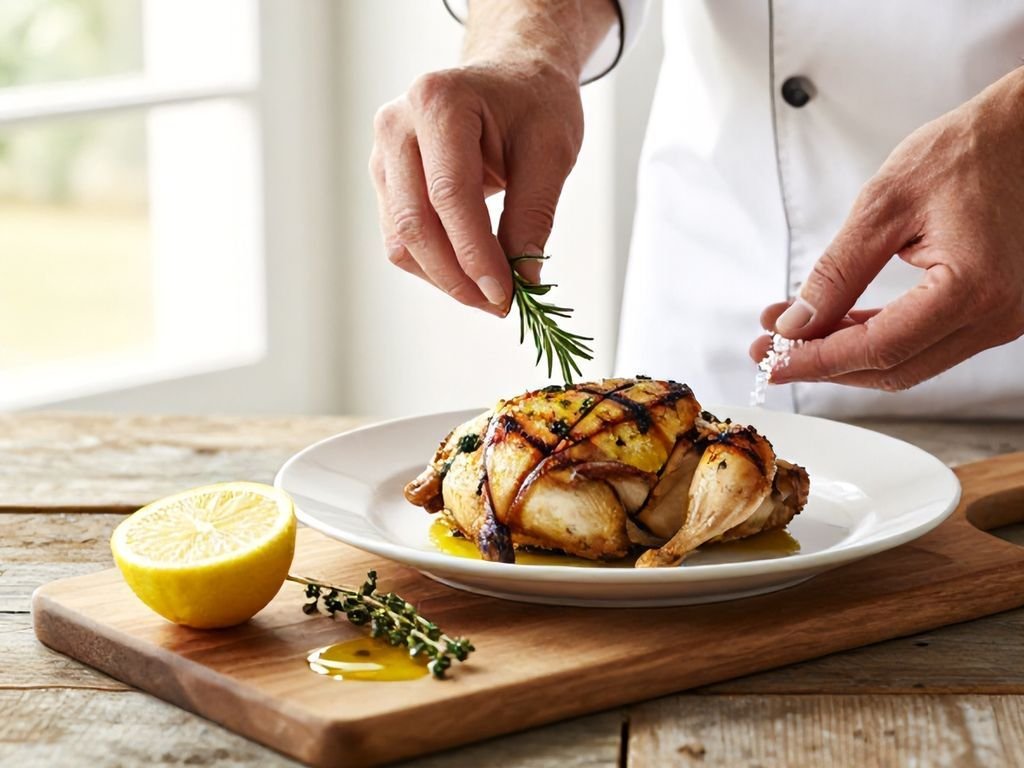
Ingredients
- 1/2 cup olive oil
- 1/4 cup fresh lemon juice (about 2 lemons)
- Zest of 1 lemon
- 4 cloves garlic, minced
- 2 tablespoons fresh oregano (or 2 teaspoons dried)
- 2 tablespoons fresh thyme (or 2 teaspoons dried)
- 1 tablespoon fresh rosemary, chopped (or 1 teaspoon dried)
- 1 teaspoon salt
- 1/2 teaspoon black pepper
- 1/4 teaspoon red pepper flakes (optional)
Instructions
- Whisk marinade ingredients in a medium bowl until combined.
- Prepare chicken by trimming excess fat and pounding breasts to even thickness if needed.
- Reserve 2 tablespoons of marinade in a separate container for basting later.
- Place chicken in a ziplock bag or shallow dish. Pour remaining marinade over chicken, turning to coat all sides.
- Refrigerate 30 minutes to 2 hours. Turn bag halfway through marinating time.
- Preheat grill to medium-high (400-450°F for thighs, 425-450°F for breasts).
- Remove chicken from marinade, letting excess drip off. Discard used marinade.
- Oil grill grates and place chicken on the grill.
- Cook breasts 5-6 minutes per side until internal temp reaches 155-160°F. Cook thighs 8-10 minutes per side until reaching 175°F.
- Brush with reserved marinade during last 2 minutes of cooking.
- Rest 5 minutes before slicing and serving.
Serving Ideas That Work
This chicken shines in multiple dishes beyond eating it straight.
Top your favorite green salad with sliced grilled chicken. The lemon herbs complement crisp lettuce and vegetables perfectly.
Stuff it into pita pockets with cucumber, tomatoes, and tzatziki sauce for quick Mediterranean sandwiches.
Dice it for pasta dishes. Toss with penne, cherry tomatoes, spinach, and a drizzle of olive oil.
Add it to grain bowls with quinoa, roasted vegetables, and hummus.
Related Recipes to : Grilled Lemon Herb Chicken Guide
- Leftover Grilled Lemon Herb Chicken Salad
- Rice Pilaf for Lemon Herb Chicken
- Greek Salad with Grilled Lemon Herb Chicken
- Roasted Potatoes Lemon Herb Chicken Pairing
- Lemon Herb Chicken Marinade with Olive Oil
FAQ
Can I freeze marinated chicken?
Absolutely. Mix chicken with marinade in freezer bags and freeze up to 3 months. Thaw overnight in the fridge, then grill as directed. The marinating happens during thawing.
Why is my grilled chicken dry?
Three common causes: overcooking past 165°F, using only chicken breasts without brining, or cutting into meat immediately without resting. Fix any of these for juicier results.
Should I remove chicken skin before marinating?
For this recipe, skinless works best. The marinade penetrates meat better without the skin barrier. If you prefer crispy skin, grill skin-side down first over direct heat, then finish over indirect heat.
What side dishes pair well with lemon herb chicken?
Grilled vegetables, Greek salad, roasted potatoes, rice pilaf, and Mediterranean couscous all complement the bright citrus flavors. For low-carb options, try cauliflower rice or zucchini noodles.
Storage and Meal Prep Tips
Cooked chicken keeps 3-4 days refrigerated in airtight containers. Slice it just before using to maintain moisture.
For longer storage, freeze cooked chicken up to 4 months. Slice and portion it before freezing for easier thawing.
Reheat gently to avoid drying out. Microwave on 50% power in 30-second intervals, or warm in a covered skillet with a splash of water.
Troubleshooting Common Problems
Flare-ups burning your chicken? Move it to indirect heat zones when flames appear. The oil in marinades can cause flare-ups on gas grills.
Chicken cooking unevenly? Your grill has hot spots. Rotate chicken to different areas every few minutes for even cooking.
Marinade burning on the grill? Shake off excess marinade before grilling. Those herbs and garlic bits char quickly over direct heat.
Lacking flavor? You didn’t marinate long enough or skimped on salt. Salt is crucial for flavor penetration.
Source Links: